
Key things to know
The carnivore diet is an all-meat, zero-carb eating plan that eliminates every plant-based food and forces the body into ketosis. This article explains how the diet works, what you can and can’t eat, and why biltong and jerky are among the best snack options for anyone following it: made from nothing but meat, spices and air, they’re naturally zero-carb and free from added sugar. Health considerations and the limited current research are also covered.
The carnivore diet isn’t new – some say it’s the oldest eating plan in the world dating back thousands of years to the time of our human ancestors – but if you are new to it or simply want to find out more about what’s involved, this article is for you.
Harvard Health describes the carnivore diet as an extreme, zero-carb, all-meat eating plan that only allows the consumption of animal-source foods such as meat, fish, seafood, eggs and poultry. Some low-lactose dairy is allowed but all plant-based foods are eliminated from the diet including fruits, vegetables, legumes, seeds, grains and nuts.
In a nutshell (except nuts aren’t allowed!), the carnivore diet is a very restrictive high-protein way of eating, allowing only foods sourced from animals, virtually no carbohydrates and a small amount of dairy.
The carnivore diet is a ‘ketogenic’ way of eating. Here’s how it works.
Carbohydrates from sugar, starches and fibre are the body’s primary source of fuel. The body converts starch into glucose which is used for energy to help your body function. Glucose is stored in the liver and released when needed, and any leftover glucose that is surplus to the body’s needs gets converted into fat.
When a person’s intake of carbohydrates is eliminated – the body is forced to find an alternative primary fuel source. It turns to fat. Once the glucose reserves have been depleted, the liver then starts to break down stored fat as well as dietary fat, turning it into ‘ketones’. These are released into the bloodstream for energy in a metabolic process known as ketosis.
A ketogenic diet such as the carnivore diet aims to provide the body with sufficient protein to preserve lean body mass including muscle, but which still results in ketosis.
The strict rules of the carnivore diet mean there’s an extremely limited list of permitted foods. If you’re in any doubt, always check the origin of the food and ensure it comes from an animal source and that it doesn’t contain any plant-based additives.
Foods you can eat are:
This diet cuts out all carbohydrates and plant-based foods including:
Finding the perfect snack can be a challenge for anyone – but the limited parameters of the carnivore diet make snacking even trickier.
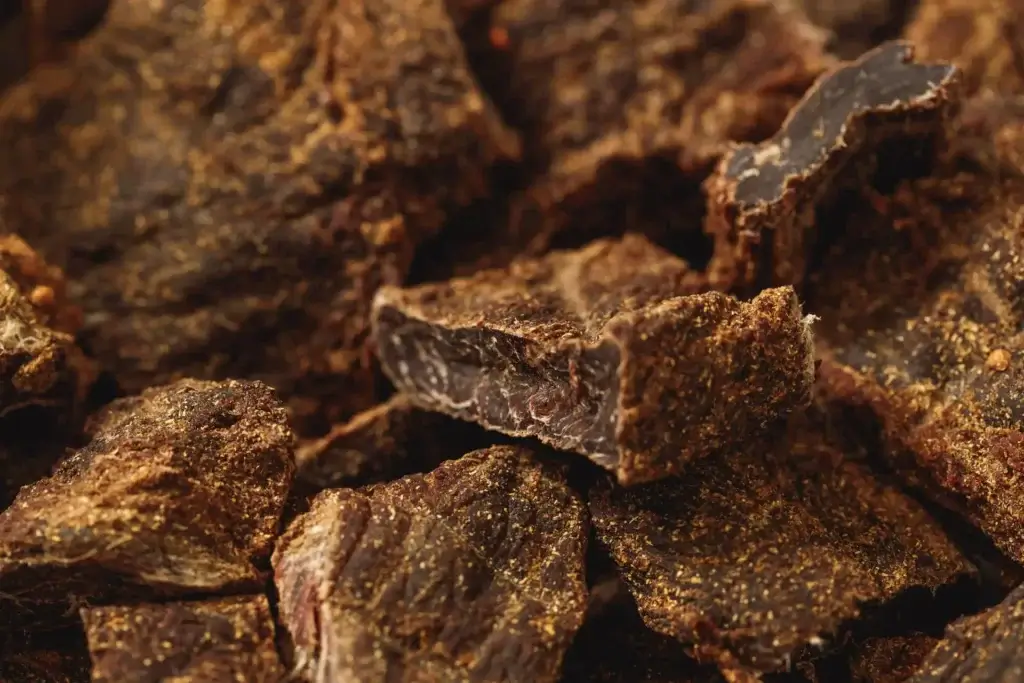
Luckily, there are a number of snack options that are both convenient and delicious. Take biltong for example. This savoury treat is the ultimate protein-forward snack for carnivores as it is made entirely from naturally dried meat. Nothing more, nothing less. Plus it is shelf-stable, portable, mess-free and a true ‘anywhere, anytime’ bite.
Here’s a comprehensive list of snacks suited to the carnivore diet:
If you’re a strict follower of the carnivore diet, you should always check the package label to establish the origin of the product and if there are any added plant-based ingredients.
It’s good to know that the biltong and jerky from DJays Gourmet is made from entirely natural clean ingredients with no added sugar or preservatives, and we use the finest grass-fed Australian beef. For answers on whether beef jerky is keto or information on keto-friendly foods while you’re on the move, check out the DJays blog section on our website.
As yet, there isn’t a meaningful scientific body of research on the carnivore diet.
Proponents claim that it has many potential benefits, but experts caution that because this way of eating omits certain food groups and therefore doesn’t provide a balance of nutritionally important foods to support bodily functions, it may lead to health complications.
Ketogenic diets in general tend to result in higher levels of the bad cholesterol LDL, but because the carnivore diet comprises largely of saturated animal fats, it can carry a higher risk of elevated cholesterol levels.
A lack of key nutrients can also result in electrolyte imbalances, leading to muscle cramps and spasms, fatigue, dizziness and general weakness.
Some other longer-term health concerns about this diet include impaired kidney function, digestive issues, greater risk of osteoporosis, kidney stones and gout. Certain cancers have also been linked to eating large amounts of red meat.
It has been claimed that this particular ketogenic lifestyle is the natural way that our ancestors ate – and that the meat-only diet supports weight loss, improves mental health, helps with blood sugar management and reduces the risk of chronic disease from eating large quantities of highly processed, carb-heavy and sugary foods.
Followers also believe that it reduces inflammation.
As with any eating plan, it’s important to do thorough research before starting anything and we recommend you check with a health practitioner to make sure it’s right for you.
If you’re looking for a zero carb, sugar-free, all-meat snack, then you should look at DJays Gourmet biltong. You can trust that our quality ingredients, expert preparation and proven manufacturing process tick all the boxes for the carnivore diet and will deliver 100% pure protein goodness. Every. Single. Time.
Order your beef jerky or beef biltong online – it’s quick and easy – and we’ll deliver to your door wherever you are in Australia. Contact us though the website, give us a call on 08 9248 8277 or visit us in person at our Perth factory.
The carnivore diet is an all-meat eating plan that eliminates every plant-based food, including vegetables, fruit, grains, legumes, nuts and seeds. According to Harvard Health, it’s “an extreme, zero-carb, all-meat eating plan.” Followers eat beef, lamb, pork, poultry, fish, offal, eggs and some low-lactose dairy. By removing carbohydrates entirely, the body shifts into ketosis, using fat as its primary fuel source.
Yes. Biltong is one of the most carnivore-compatible snacks available. It’s made from dried beef, salt, spices and vinegar: no carbohydrates, no added sugar. DJays biltong uses 100% grass-fed Australian beef with no preservatives or artificial ingredients, making it well-suited to strict carnivore eating.
It depends on the brand. Traditional jerky made from pure beef, salt and pepper with no added sugar or soy sauce qualifies. Many commercial jerkies, however, contain sugar, honey, soy, teriyaki or BBQ marinades that are off-limits on a carnivore diet. DJays Gourmet’s sugar-free jerky options may suit those following the carnivore approach. Always check the ingredient list.
Current research on the carnivore diet is limited. Potential concerns noted in existing literature include elevated LDL cholesterol, electrolyte imbalances, digestive issues and possible long-term effects on kidney function and bone density. Anyone considering a significant dietary change is advised to consult a qualified health professional before starting.
Carnivore-approved snacks are limited to animal products. Good options include biltong, plain beef jerky (no added sugar), pork crackling, canned fish, hard-boiled eggs and bone broth. Biltong and jerky are particularly practical because they need no refrigeration and are easy to carry anywhere.

Arron Zamel has been General Manager of DJays Gourmet since 2015 and under his expert leadership, the company has cemented its reputation as Australia’s leading supplier of packaged jerky and biltong.
His strong family connection to South Africa, his marketing and management degree from Monash University, his technical expertise plus his experience as a successful entrepreneur and import/export business owner made him the ideal candidate for the challenging position.
Additionally, Arron’s innovative approach to management, his proven brand-building credentials, his strong customer focus and youthful energy have ensured that DJays Gourmet’s high-quality biltong and jerky have become Australia's dried meat treats of choice.
He understands traditional South African flavours and the precision techniques required to create truly authentic biltong, jerky and droewors (dried sausage). Part of his job is overseeing operations at DJays' purpose-built facility in Perth, WA where tons of Australian beef goes into making premium dried meat products each month for distribution to retail and wholesale customers across Australia.
For more insights into Arron’s world, visit the DJays Gourmet website, check out their Facebook page or follow them on Instagram @djaysgourmet.