Whether you’re hitting the gym or the road, aiming high and setting goals or just happy to be out there moving, your body is going to need a little help afterwards.
Muscle recovery is as important for an athlete pushing their body to the max as it is for someone who simply leads an active lifestyle. And nutrition during the post-activity window is arguably the most important factor in how strongly your body bounces back and how well you set yourself up for your next bit of exercise.
Protein bars are a favourite when it comes to a post-workout boost, but before you stock up on your next batch, you may want to consider this.
What if there is a convenient, tasty and healthy alternative that is also rich in protein and other essential nutrients and which packs a powerful punch in terms of muscle recovery? Well, there is.
We’re talking about biltong, a dried meat snack that originated from South Africa and which has now gained worldwide popularity for many different reasons, not least of which is its nutritional benefit.
In this article, we compare protein bars and biltong in terms of their nutritional value and how they can aid muscle recovery.
Did you know that muscle fibres can actually break down after a bout of intense activity?
Protein is the most important nutrient for muscle recovery as the various amino acids in protein provide the body with vital building blocks to repair these damaged muscles and build them back up.
Other nutrients essential for muscle recovery include:
So if you want to fast track your recovery after a workout, you need to choose protein-rich foods.
Everyone’s got their favourite post-workout snack and protein bars are a very popular choice. Their protein content is designed to accelerate muscle recovery, plus they’re convenient, easy to eat and are generally quite tasty. There are many different brands to choose from, with a range of flavour profiles and price points and their higher protein component creates the impression that they’re a healthy choice.
However, it’s really important to check the nutritional profile of your protein bar because it may not actually be as healthy as you think. Some products are highly processed and can have a number of not-so-great additives like syrups, sugar, carbohydrates and preservatives.
Those in the know are switching to biltong for an optimum post-activity snack – but to help you make up your mind about what’s best for your body, we’ve unpacked the differences (and similarities) of biltong vs protein bars in terms of muscle recovery.
The nutritional profile of these two snacks is the key differentiator in terms of muscle recovery.
Protein bars generally contain a blend of proteins and fibre with some brands containing carbs and sugar. They can be manufactured from a variety of different ingredients ranging from dairy proteins like whey, yoghurt powder, milk and casein, plant-based proteins like soy, pea and brown rice, dates and dried fruit, nuts and seeds, egg whites and whole grains like quinoa and oats.
Some brands also contain fillers, binders and preservatives and sweeteners as well as unhealthy oils and saturated fats.
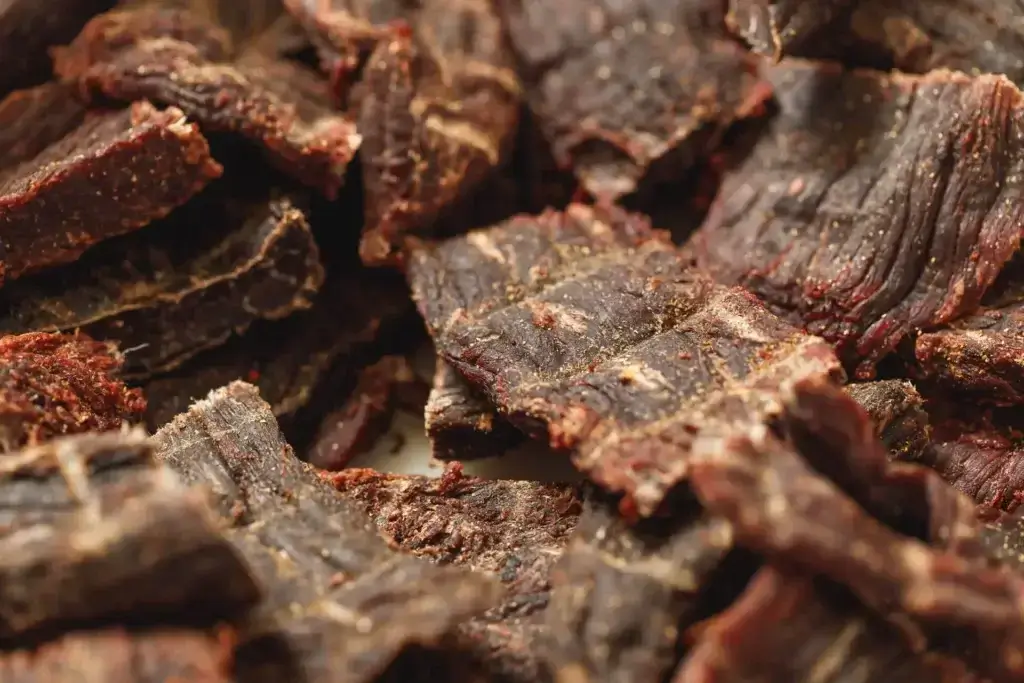
Biltong on the other hand, is an all-natural product, made from air-dried strips of lean meat that has been lightly brined and spiced. And when you choose a premium brand like DJays Gourmet biltong, you won’t find any preservatives or other nasties in it like added sugar or preservatives.
Protein bars tend to be on the sweeter side, whereas biltong is satisfyingly savoury and many people find they crave a bit of saltiness after exercise or exertion.
Another key point is that a protein bar is considered to be a ‘processed’ food whereas biltong is all natural.
We know that protein is the essential ingredient when it comes to muscle recovery. But it’s important to choose the right protein.
Biltong is a single source of lean and clean protein plus it contains a variety of other nutrients like iron, zinc, sodium, choline, B-vitamins including B12 and B9 (folate) plus minerals such as magnesium, potassium, and phosphorus essential for building muscle, supporting tissue health and maintaining effective body functions. It’s also naturally lower in sugar. As a general rule, a 100g serving of biltong contains around 50-60g of pure protein.
Some protein bars do have a higher weight:protein ratio than biltong, but as mentioned earlier, they can also contain a variety of added sugars, carbs and artificial flavourings.
You’ll find more detail on how biltong and protein bars compare here.
Simply put, biltong – and especially our famous DJays beef biltong made from premium all-natural ingredients – delivers on the good stuff and is an excellent snack choice when it comes to optimising performance and muscle recovery.
According to Science Insights, there is an ‘anabolic window’ of up to several hours after exercise when a person’s body is optimally receptive to protein for muscle repair and growth.
Eating a protein-rich snack during this period can help accelerate muscle repair and help you recover stronger than before. And that’s why you should consider the millions around the world who choose biltong for their essential post-workout protein hit.
The good news is that you don’t have to exert yourself to get your hands on Australia’s best biltong!
All it takes is a couple of clicks on your phone or computer and you’ll have your online biltong order delivered to your door in a flash. Our products are also stocked in a variety of servos, bottle shops and other retailers around the country, so a packet of the best protein hit for muscle recovery is never far away!

Arron Zamel has been General Manager of DJays Gourmet since 2015 and under his expert leadership, the company has cemented its reputation as Australia’s leading supplier of packaged jerky and biltong.
His strong family connection to South Africa, his marketing and management degree from Monash University, his technical expertise plus his experience as a successful entrepreneur and import/export business owner made him the ideal candidate for the challenging position.
Additionally, Arron’s innovative approach to management, his proven brand-building credentials, his strong customer focus and youthful energy have ensured that DJays Gourmet’s high-quality biltong and jerky have become Australia's dried meat treats of choice.
He understands traditional South African flavours and the precision techniques required to create truly authentic biltong, jerky and droewors (dried sausage). Part of his job is overseeing operations at DJays' purpose-built facility in Perth, WA where tons of Australian beef goes into making premium dried meat products each month for distribution to retail and wholesale customers across Australia.
For more insights into Arron’s world, visit the DJays Gourmet website, check out their Facebook page or follow them on Instagram @djaysgourmet.